
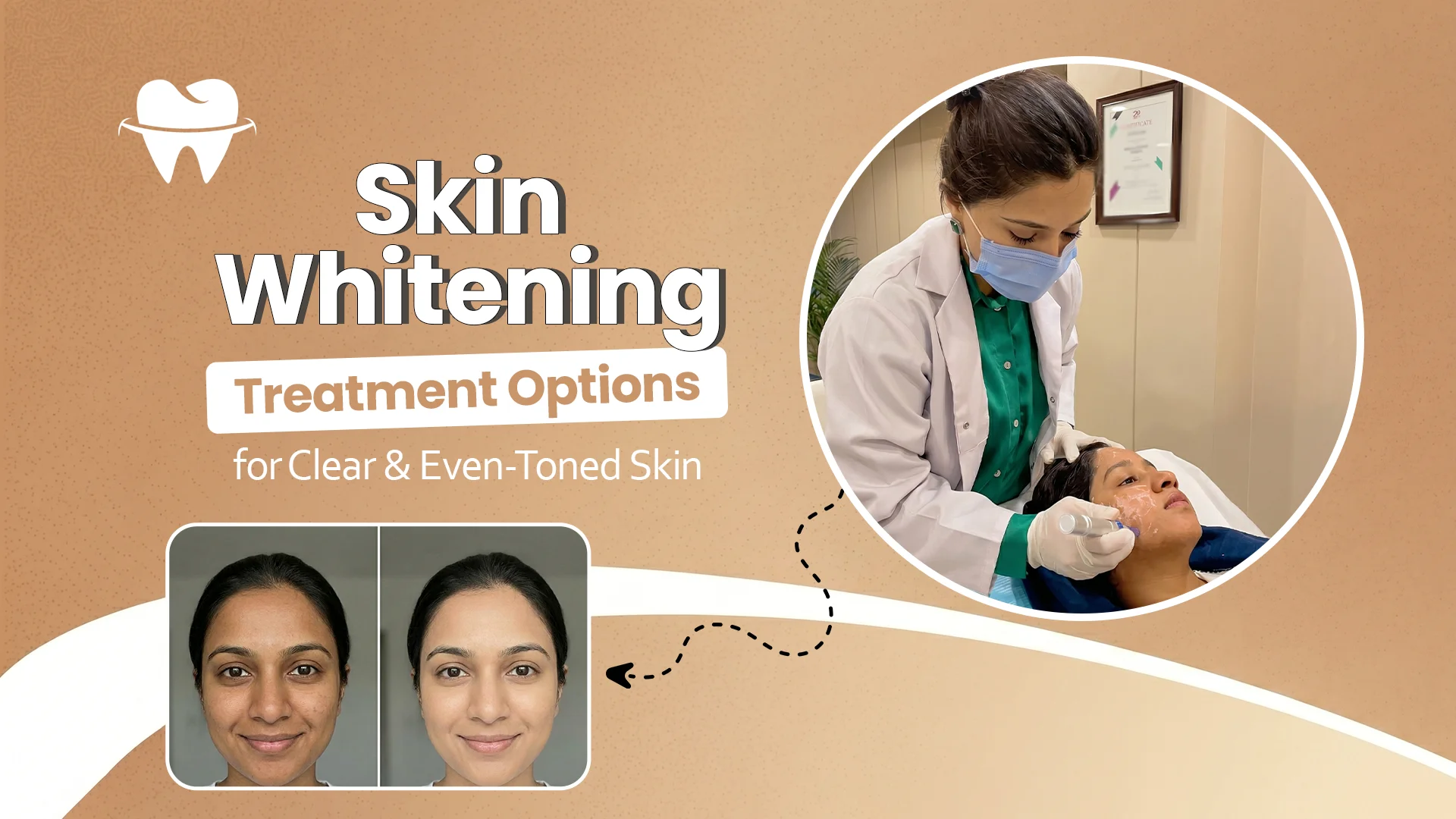
Many people believe skin whitening means changing their natural complexion. In reality, evidence-based treatment focuses on correcting discoloration, reducing dullness, and restoring the skin’s natural brightness — not altering genetics or ethnicity.
According to the American Academy of Dermatology (AAD), pigmentation disorders — including melasma, post-inflammatory hyperpigmentation, and sun-induced dark spots — affect millions of people annually.
Today, several of the best aesthetic clinics in Lahore are providing advanced options that are safer, more targeted, and clinically adapted for different skin types and tones. Whether you are dealing with acne marks, sun tanning, melasma, or patchy skin tone, professional solutions exist for every concern level.
This guide covers major skin whitening treatments, expected results, and treatment costs to help you make an informed decision. It also explains which options may suit different skin concerns and goals best.
Why Does Skin Tone Become Uneven?
Uneven skin tone and pigmentation can develop due to several internal and external factors. Understanding the cause helps in choosing the right skin whitening treatment for longer-lasting results.
1. Sun Exposure
UV rays increase melanin production, leading to tanning, dark spots, and uneven pigmentation over time. Daily sunscreen use helps reduce further discoloration.
2. Acne Marks and Hyperpigmentation
Post-acne marks, also called post-inflammatory hyperpigmentation (PIH), can leave stubborn dark patches that may last for months without treatment.
3. Hormonal Changes
Conditions like melasma are often triggered by pregnancy, hormonal imbalance, or contraceptive use, causing brown patches on the face.
4. Lifestyle Factors
Stress, pollution, smoking, and poor sleep can make skin appear dull, damaged, and uneven.
Identifying the root cause allows dermatologists to recommend more effective and personalized treatment options.
Cost of Skin Whitening Treatment in Pakistan
The following tables offers the cost of different treatment options that eople use for an even-toned skin:
|
Treatment Option |
Average Cost in Pakistan (PKR) |
Sessions Needed |
Best For |
|
Prescription Creams |
3,000 – 8,000 monthly |
6–12 weeks |
Mild dullness and tanning |
|
Chemical Peels |
5,000 – 15,000 per session |
4–6 sessions |
Acne marks and uneven tone |
|
Skin Whitening Laser Treatment |
15,000 – 40,000 per session |
2–6 sessions |
Deep pigmentation and melasma |
|
Skin Whitening Injection |
8,000 – 25,000 per session |
6–12 sessions |
Overall brightening support |
|
Combination Therapy |
50,000 – 250,000 total |
Custom plan |
Severe pigmentation cases |
Disclaimer: Treatment costs are estimated averages based on 2026 pricing trends across reputable dermatology and aesthetic clinics in Pakistan. Actual prices may vary depending on the clinic’s location, dermatologist’s expertise, treatment technology, skin condition severity, and number of sessions required. A professional consultation is recommended for accurate pricing and personalized treatment planning.
Different Skin Whitening Treatment Options for Everybody
The following table offers a quick look at the different skin whitening treatment options that people today are opting for:
|
Treatment |
Best for |
Sessions |
Cost Level |
|
Prescription creams |
Mild dullness, early acne marks, light tanning |
Ongoing (6–12 weeks) |
Low to Moderate |
|
Chemical peels |
Moderate acne marks, uneven texture, sunspots |
4–6 sessions |
Moderate |
|
Laser therapy |
Deep melasma, stubborn pigmentation, dark patches |
2–4 sessions |
High |
|
Whitening injections |
Moderate overall brightening support |
Monthly sessions |
High |
|
Combination therapy |
Complex or recurring pigmentation of all levels |
Custom treatment plan |
Moderate to High |
1. Skin Whitening Creams and Medically Prescribed Topicals
For mild to moderate pigmentation, dermatologist-prescribed creams are often the first step in skin whitening treatment and can be effective on their own.
How Prescription Creams Work
These topical treatments commonly contain ingredients such as:
- Hydroquinone: Helps reduce melanin production
- Kojic acid: Targets mild pigmentation and dark spots
- Azelaic acid: Effective for post-acne marks and sensitive skin
- Niacinamide: Improves uneven skin tone and strengthens the skin barrier
- Retinoids: Increase cell turnover to fade discoloration over time
These ingredients work by reducing excess pigment and improving skin renewal.
When Topical Treatments Work Best?
Prescription creams are most effective for sun damage, mild tanning, and post-inflammatory hyperpigmentation (PIH). Visible improvement usually appears within six to twelve weeks with consistent use.
Topical products are generally the most affordable skin whitening option. However, stronger dermatologist-prescribed formulas often deliver better results than over-the-counter creams.
Note: Avoid unverified whitening creams sold online, as some may contain harmful steroids or mercury that can damage the skin long term.
2. Chemical Peels for Even Skin Tone
Chemical peels for hyperpigmentation are a popular and clinically proven treatment that help reduce skin dullness, acne marks, and uneven skin texture. It is a dermatological procedure where a mild acidic solution is applied to exfoliate damaged skin layers and promote healthier, brighter skin.
Chemical peels are usually more affordable than laser treatments, although several sessions may be needed for optimal improvement.
How Chemical Peels Help
Chemical peels remove dead, pigmented skin cells and stimulate cell renewal, revealing smoother and more even-toned skin over time. Repeated sessions may also improve skin texture and collagen production.
Commonly used peel agents include:
- Glycolic acid: Helps reduce dullness and surface pigmentation
- Salicylic acid: Suitable for oily and acne-prone skin
- Lactic acid: A gentler option for sensitive skin
- TCA peels: Used for deeper pigmentation concerns
Who Can Benefit?
Chemical peels are effective for mild to moderate acne marks, tanning, uneven texture, and early melasma. Most patients require multiple sessions for noticeable and longer-lasting results.
3. Skin Whitening Laser Treatment
Skin whitening laser treatment represents the most technologically advanced and targeted option for stubborn or deep pigmentation. Laser treatment carries the highest cost among whitening options, reflecting the advanced equipment, specialized expertise, and precision required.
How Does Laser Whitening Work?
Laser devices emit concentrated light energy at specific wavelengths that are selectively absorbed by melanin in the skin. This process — called selective photothermolysis — breaks down pigment granules without damaging surrounding skin tissue. The fragmented pigment is then cleared by the body’s natural immune response over the following weeks.
Laser treatment for dark circles also stimulates collagen production, which improves skin firmness and texture alongside tone correction.
Common Laser Types Used for Skin Brightening
|
Laser Type |
Best For |
Skin Type Suitability |
|
Q-switched Nd:YAG |
Sun spots, melasma, overall brightening |
Safe for darker skin tones (Fitzpatrick IV–VI) |
|
Fractional CO2 |
Deep acne scars + pigmentation |
Best for lighter skin tones |
|
PicoSure / PicoWay |
Stubborn pigmentation, faster clearance |
Multiple skin types |
|
IPL (Intense Pulsed Light) |
Surface sun damage, redness |
Lighter skin tones preferred |
Note: Laser parameters must be carefully calibrated by an experienced dermatologist. Improper settings on deeper skin tones can temporarily worsen pigmentation (post-inflammatory hyperpigmentation).
4. Skin Whitening Injections
Skin whitening injections are widely discussed in Pakistan and other regions, but they require careful evaluation before considering treatment.
What Do Whitening Injections Contain?
Most injectable skin brightening treatments include:
- Glutathione: A powerful antioxidant that may reduce melanin production
- Vitamin C: Supports antioxidant activity and skin brightening effects
- Alpha-lipoic acid: Helps support overall skin cell health
Important: Research on injectable glutathione is still limited. Some studies suggest mild skin lightening effects, but results vary widely between individuals and there is no standardized clinical protocol for guaranteed outcomes. Because of this, expectations should remain realistic.
Skin whitening injections should only be administered by a qualified dermatologist or licensed medical professional. Unregulated or counterfeit products can increase risks such as infections, allergic reactions, and inconsistent dosing.
Proper clinical supervision ensures safer application, correct dosage, and better treatment monitoring.
Which Skin Treatment Is Right for You? A Quick Decision Guide
Choosing the right skin whitening treatment depends on your specific skin concern, severity of pigmentation, and overall skin type. A structured approach helps ensure safer and more effective results.
Recommended Treatment Based on Skin Concern
- Mild dullness or early tanning: Prescription topical creams combined with daily SPF protection
- Moderate sun spots or post-acne marks: A series of chemical peels for gradual improvement
- Stubborn or deep pigmentation: Laser treatments such as Q-switched or PicoSure laser therapy
- Melasma: A combined, dermatologist-guided approach using topicals and controlled procedures
- Overall brightening support: Professionally supervised injectable treatments
Important Clinical Note
The most important step in any treatment plan is a dermatologist consultation at the best aesthetic clinic. A proper skin assessment helps determine the safest and most effective option based on your skin type, tone, and condition. This prevents ineffective treatments and ensures better long-term results while avoiding unnecessary costs.
Final Words
Modern skin whitening treatments are not about changing who you are — they are about correcting discoloration, fading damage, and restoring the natural brightness. Regardless of the treatment type that you pursue for skin whitening, consistency and professional guidance make the difference between short-lived results and lasting improvement.
Ready to take the first step? Book a consultation at Teeth and Gums to get a personalized treatment plan based on your skin type, concerns, and goals.
Frequently Asked Questions
Which treatment is good for skin whitening?
The best treatment depends on your skin type and concern. Creams work for mild dullness, chemical peels improve surface pigmentation, and laser treatments target deeper discoloration for stronger visible improvement.
What is the cost of skin whitening treatment?
Skin whitening treatment cost depends on the procedure. Creams cost less, while peels, lasers, and injections cost more because they involve professional sessions and advanced clinical expertise.
Is skin whitening treatment permanent?
No, most skin whitening treatments are not permanent. Results can fade over time due to sun exposure, hormones, and lifestyle habits. Maintenance care helps preserve brighter skin longer.
Are skin whitening injections safe?
Skin whitening injections should only be taken under dermatologist’s supervision. Some products may lack proper medical approval, so expert consultation is necessary before starting injectable whitening treatments.
How many laser sessions are needed for skin whitening?
Most people notice visible improvement after 2 to 4 sessions. Results depend on skin condition, pigmentation depth, and proper aftercare recommended by your dermatologist.

0 Comments