TL;DR
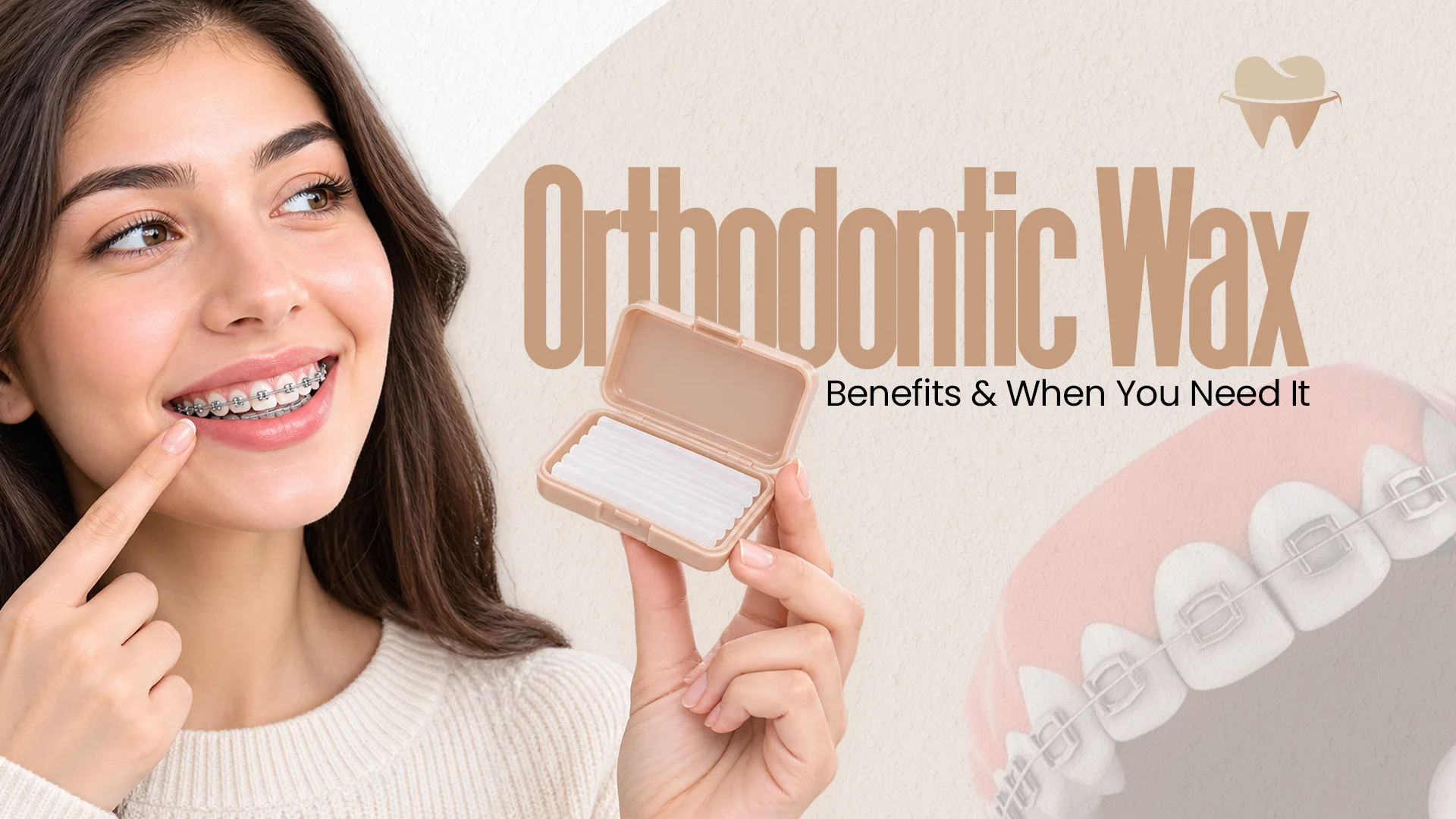
- Orthodontic wax is a soft, pliable material that creates a protective barrier between braces and the soft tissues of your mouth, providing instant relief from irritation.
- How to use orthodontic wax: Wash your hands, dry the bracket, pinch off a pea-sized piece, roll it into a ball, and press it firmly onto the irritating area.
- You can eat and sleep with ortho wax in place but replace it after meals and at least twice daily for hygiene.
- Ortho wax is safe, non-toxic, and harmless if accidentally swallowed.
- Orthodontic wax price in Pakistan is affordable, ranging from PKR 150 to PKR 800 per pack depending on the brand.
- Contact your orthodontist if irritation persists, causes bleeding, or if a wire is poking severely and cannot be covered.
Braces are working hard to straighten your teeth, but sometimes they cause discomfort along the way. Brackets and wires can rub against the soft tissues inside your mouth, leading to sores, irritation, and pain.
This is where orthodontic wax becomes your best friend. It is a simple, affordable solution that provides instant relief. Understanding how to use orthodontic wax can make your orthodontic journey much more comfortable.
This comprehensive guide covers everything you need to know about ortho wax: its uses, benefits, application technique, and when you need it.
Quick answer: Orthodontic wax is a soft, non-toxic wax that you press over a bracket or wire to stop it rubbing against your cheeks, lips, or tongue. Dry the area, roll a pea-sized piece of wax into a ball, and press it firmly over the spot causing irritation. Replace it at least twice a day, after meals, and whenever it becomes loose. It is safe if swallowed and works best alongside a saltwater rinse for any sores that have already formed.
What Is Orthodontic Wax?
Orthodontic wax is a soft, pliable substance designed specifically for use with braces. It is made from natural, non-toxic materials such as paraffin wax, beeswax, or carnauba wax. These materials make the wax malleable enough to mould around brackets and wires, yet solid enough to stay in place for hours.
Also known as ortho relief wax or braces wax, it creates a smooth barrier between your orthodontic hardware and the soft tissues of your mouth. This barrier reduces friction, prevents irritation, and allows existing sores to heal.
Dental wax for braces is non-toxic and safe if accidentally swallowed. If this happens, it will simply pass through your digestive system without causing harm.
Why Braces Cause Irritation
Orthodontic appliances apply constant pressure to move teeth into proper alignment. During this process, the brackets and wires can rub against the inner lining of your cheeks, lips, and tongue.
Orthodontic-induced mouth ulcers are a common complication arising from mechanical irritation and increased plaque accumulation during treatment, and these painful lesions can significantly affect patient comfort and how well people stick with treatment.
The first few weeks after getting braces are typically the most challenging. Your mouth is not accustomed to the hardware, and the soft tissues are particularly vulnerable. Similarly, after each adjustment appointment, new pressure points can develop as wires are tightened or changed.
Orthodontic Wax Uses: When You Need It
The applications of orthodontic wax extend beyond just pain relief. Here are the most common situations where wax for braces helps.
New Braces Placement
When you first get braces, your mouth needs time to adapt. The brackets and wires can cause significant irritation during this initial adjustment period, so applying wax proactively before sores develop is recommended.
After Adjustment Appointments
Each time your orthodontist tightens or adjusts your braces, new pressure points can develop. Ortho wax provides relief during these transitions when the wires apply fresh force.
Poking Wires
Wires can shift or break, creating sharp ends that poke your cheeks or gums. Dental wax for orthodontic braces covers these sharp edges temporarily until you can see your orthodontist for a proper fix.
Mouth Sores and Ulcers
If braces have already caused sores inside your mouth, orthodontic dental wax protects these areas from further irritation, allowing them to heal. Research confirms that wax is effective in reducing mucosal discomfort associated with orthodontic appliances.
Sports and Physical Activities
During sports or activities that involve facial contact, dental wax adds an extra layer of protection between your braces and soft tissues. It can also provide comfort while playing musical instruments.
Loose Components
If a bracket or wire becomes loose, wax can temporarily secure it in place until you can see your orthodontist. Think of it as a temporary holding solution, not a permanent fix.
How to Use Orthodontic Wax: Step-by-Step Guide
Using orthodontic wax correctly is essential for effective relief. Follow these simple steps.
Step 1: Wash Your Hands
Always wash your hands thoroughly with soap and water before handling orthodontic wax. This prevents bacteria from entering your mouth.
Step 2: Clean Your Teeth
Brush and floss your teeth to remove any food particles. A clean surface is essential for the wax to stick properly and prevents bacterial buildup.
Step 3: Dry the Area
Use a clean tissue or cotton swab to dry the bracket or wire you need to cover. Orthodontic wax does not stick to wet surfaces, and excess saliva is the most common reason wax fails to adhere.
Step 4: Pinch Off a Small Piece
Take a small piece of wax, about the size of a pea or popcorn kernel. You can always add more if needed, but starting small prevents waste.
Step 5: Roll It Into a Ball
Roll the wax between your fingers for about five seconds. The warmth from your hands softens the wax, making it easier to mould.
Step 6: Press It Onto the Bracket
Press the wax firmly onto the bracket or wire causing irritation. Make sure it covers the sharp edge completely, and mould it around the metal to create a smooth surface.
Step 7: Smooth the Edges
Use your finger or tongue to smooth the edges of the wax. This ensures a comfortable fit and prevents the wax from coming loose, since creating a greater surface area for adhesion helps it stay in place longer.
Tips for Making Wax Stick Properly
If your orthodontic wax is not sticking, try these troubleshooting tips:
- Ensure the area is completely dry: use a tissue or cotton swab to remove all moisture before applying.
- Clean the bracket thoroughly: food particles and plaque prevent adhesion.
- Warm the wax adequately: roll it between your fingers longer to make it more pliable.
- Apply with gentle pressure: press firmly but not so hard that you damage the bracket.
- Avoid touching the wax after application: your fingers can transfer oils that reduce stickiness.
Benefits of Orthodontic Wax
Ortho wax offers several benefits for patients with braces.
| Benefit | Description |
|---|---|
| Instant pain relief | Provides immediate comfort by creating a smooth barrier |
| Promotes healing | Allows mouth sores and irritation to heal without further friction |
| Easy to apply | Can be applied in seconds without special tools |
| Affordable | Orthodontic wax price in Pakistan is generally budget-friendly |
| Safe | Non-toxic and safe if accidentally swallowed |
| Discreet | Clear or tooth-coloured options blend with braces |
| Convenient | Can be carried anywhere for on-the-go relief |
Research has found that orthodontic wax is effective in reducing mucosal discomfort associated with orthodontic appliances and can have a positive effect on quality of life during treatment.
Types of Orthodontic Wax
Several types of dental wax are available in Pakistan. Understanding the options helps you choose the right one.
| Type | Description | Best for |
|---|---|---|
| Paraffin wax | Most common type; soft and pliable | General use; affordable |
| Beeswax | Natural alternative; slightly firmer | Those preferring natural products |
| Carnauba wax | Plant-based; longer-lasting | Extended wear |
| Silicone wax | More durable than traditional wax | Patients wanting extended wear |
| Flavoured wax | Available in mint, bubblegum, and other flavours | Children and sensitive patients |
Best Orthodontic Wax Brands Available in Pakistan
Finding ortho wax in Pakistan is easy. Here are some options patients commonly come across, though prices and availability vary by pharmacy and city, so treat these as a general guide rather than a guaranteed price.
| Brand | Key feature | Approximate price (PKR) |
|---|---|---|
| Dr. Smith Ortho Wax | Medical-grade; clear and discreet | 150 per pack |
| GUM Ortho Wax | Pre-cut strips; easy application | 1,200 – 1,500 |
| Sunstar GUM Pre-Cut Wax | Unflavoured; box of 5 pieces | 1,200 |
| OraCare Wax | Available in multiple flavours | 300 – 500 |
| Dentek Ortho Wax | Comes with a carrying case | 500 – 700 |
| Local pharmacy brands | Affordable, widely stocked options | 200 – 400 |
Orthodontic wax price in Pakistan varies by brand and quantity, though most options are affordable and widely available at pharmacies and online dental supply stores.
How Long Can You Leave Orthodontic Wax On?
You can leave it on for several hours at a time, and many patients wear it throughout the day. However, dentists recommend replacing it at least twice a day. Fresh wax adheres better and is more hygienic, and if the wax is coming off on its own, that is a good sign it is time to replace it.
Eating with Orthodontic Wax
You can eat with wax in place, but certain foods may dislodge it. The recommendation is to remove the wax before eating and apply fresh wax afterward. If you eat with wax still in your mouth, food can get caught in and around it, which can cause a buildup of bacteria, and it may also become dislodged and pose a choking risk.
Avoid sticky, hard, or hot foods that can pull the wax off, and replace the wax after meals to maintain hygiene and effectiveness.
What Can You Use Instead of Orthodontic Wax?
If you run out of wax, temporary alternatives include the following.
| Alternative | Notes |
|---|---|
| Cotton balls | Temporary; not recommended for extended use |
| Sugar-free gum | Can work in emergencies; avoid if it sticks to braces |
| Silicone ear plugs | Some patients use them; consult your orthodontist first |
| Dental silicone | Available at some pharmacies; similar to wax |
However, orthodontic wax remains the safest and most effective option, and you should always consult your orthodontist before trying alternatives.
Replacing Orthodontic Wax
Replace it at least twice daily. Also replace it after every meal, when it becomes loose or discoloured, if it falls off, and before applying fresh wax on top of old wax. Keeping wax fresh ensures maximum protection and hygiene, since old wax can harbour bacteria and food particles.
When to Contact Your Orthodontist
Contact your orthodontist if irritation persists despite using wax, you develop severe sores or bleeding, a wire is poking and cannot be covered with wax, a bracket becomes loose or breaks, or you notice swelling or signs of infection. Your orthodontist can adjust wires, smooth sharp edges, or recommend additional treatment. Do not try to fix broken appliances yourself.
Tips for Managing Braces Discomfort
A few additional habits help you stay comfortable during orthodontic treatment:
- Apply wax before bed: nighttime is when irritation often worsens.
- Keep wax handy: carry a small container in your bag or pocket.
- Use saltwater rinses: helps heal mouth sores.
- Avoid hard, sticky foods: prevents bracket damage and wax dislodgement.
- Stay hydrated: dry mouth worsens irritation.
- Follow up regularly: regular adjustments keep treatment on track.
Conclusion
Orthodontic wax is a simple yet essential tool for anyone undergoing braces treatment. It provides instant relief from irritation, promotes healing of mouth sores, and makes the orthodontic journey more comfortable.
Learning how to use orthodontic wax correctly ensures you get the most benefit. Keep it clean, replace it regularly, and use it whenever brackets or wires cause discomfort. With ortho wax on hand, you can focus on the end goal: a beautifully straight smile. This article is for general education and is not a substitute for advice from your own orthodontist.
Struggling with braces discomfort?
At Teeth and Gums, we provide comprehensive orthodontic care and guidance for a comfortable treatment journey.
Frequently Asked Questions
What is orthodontic wax used for?
Orthodontic wax creates a smooth barrier over braces brackets and wires to prevent irritation, sores, and discomfort in the mouth.
How do you use orthodontic wax on braces?
Dry the bracket, pinch off a pea-sized piece, roll it into a ball, and press it firmly onto the irritating area. Smooth the edges for comfort.
How long can you leave orthodontic wax on braces?
You can leave it on for several hours. Replace it every 24 hours or sooner if it becomes soiled or loose.
Can you eat with orthodontic wax?
Yes, but it is recommended to remove the wax before eating and apply fresh wax afterward to prevent bacterial buildup.
Can you sleep with orthodontic wax?
Yes. Apply fresh wax before bed to protect your cheeks and lips throughout the night.
How often should you replace orthodontic wax?
Replace it at least twice daily, after meals, and whenever it becomes loose or discoloured.
Can orthodontic wax help with braces pain?
Yes. It relieves friction pain from brackets and wires. For soreness from tooth movement itself, an over-the-counter pain reliever may help.
What can I use instead of orthodontic wax?
Temporary alternatives include cotton balls, sugar-free gum, or silicone ear plugs, but orthodontic wax remains the safest option.
Why are my braces cutting my cheek or lips?
Brackets and wires rub against soft tissues, causing irritation. This is common in the first few weeks and often decreases as your mouth adapts.
When should I contact my orthodontist about irritation from braces?
Contact your orthodontist if irritation persists, causes bleeding, or if a wire is poking severely and cannot be covered with wax.