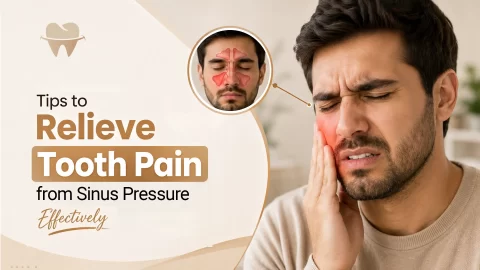
When your teeth suddenly ache during a cold, the real problem may not be your teeth at all. Sometimes, your sinuses are the hidden cause.
When your sinuses become swollen or blocked due to a cold, allergy flare-up, or infection, the pressure they create can push directly against the nerve roots of your upper back teeth. This is why so many people find themselves asking why my teeth hurt when sick.
Understanding the difference between sinus pressure, tooth pain, and a true dental problem matters because the treatment path is completely different. Treating a toothache with dental procedures when your sinuses are the real cause wastes time, money, and causes unnecessary anxiety. Getting the right diagnosis first leads to faster, simpler relief.
This guide explains the causes, signs, and most effective remedies for sinus infection and tooth pain. It also tells you clearly when symptoms require professional attention from a dentist or dental practitioner.
What Is Sinus Pressure Tooth Pain?
Sinus pressure tooth pain is tooth pain caused not by any problem with the teeth themselves, but by inflammation or congestion in the maxillary sinuses — the hollow, air-filled spaces located directly above the roots of the upper back teeth.
Maxillary sinuses are two large sinus cavities positioned behind the cheekbones on either side of the nose. Their floor sits in very close proximity to the roots of the upper premolars and molars.
Cause of Sinus Pressure Tooth Pain
When these sinuses become inflamed — due to infection, allergies, or a common cold — swollen tissue and mucus build-up create pressure that presses directly onto nearby dental nerve branches.
Because these nerve branches are shared between the sinuses and the upper teeth, the brain often cannot distinguish between sinus pain and tooth pain. The result is sinus pressure, making teeth hurt in a way that feels completely real, even when the teeth and gums are perfectly healthy.
According to Mayo Clinic’s clinical guidance on sinus infections, this referred pain pattern is well-documented and a recognized complication of acute sinusitis. This is particularly affecting the upper back teeth.
Signs Your Tooth Pain Is Coming from Sinuses
Sinus-related tooth pain can often feel similar to a real toothache, making it difficult to identify the actual cause. Fortunately, there are several signs that can help you determine whether your pain is linked to sinus pressure rather than a dental issue.
Common signs of sinus-related tooth pain include:
- Pain affecting multiple upper teeth instead of one specific tooth
- Facial pressure or tenderness around the cheeks and eyes
- Nasal congestion or a blocked nose
- Thick mucus or postnasal drip
- Headaches that worsen throughout the day
- Increased discomfort when bending over or lying down
- Tooth pain that appears after a cold, allergies, or a sinus infection
In comparison, a true dental problem usually affects a single tooth and may cause strong sensitivity to hot, cold, or sugary foods and drinks.
Quick Comparison: Sinus Pain vs. Tooth Pain
This distinction is important before beginning any home treatment — and critical before deciding whether to call a dentist or a doctor. The following table offers a quick comparison between sinus pain and tooth pain:
Feature | Sinus Pressure Tooth Pain | True Dental Toothache |
Teeth affected | Multiple upper back teeth | Usually, one specific tooth |
Pain character | Dull, aching, pressure-like | Sharp, throbbing, or shooting |
Movement trigger | Worse when bending forward | Usually not position-sensitive |
Associated symptoms | Congestion, facial pressure, thick mucus | No infection link; dental in origin |
Onset pattern | During or after a cold, flu, or allergy | No sinus or illness connection |
Reaction to hot/cold food | Minimal or none | Often a strong, sharp reaction |
Response to saline rinse | May improve | No improvement |
Effective Home Remedies for Sinus Tooth Pain
These remedies target the root cause — sinus inflammation and congestion — rather than just masking the pain. Most patients notice meaningful improvement within 24 to 48 hours of consistent home care.
1. Steam Inhalation
Steam is one of the most effective and immediate sinus pain in teeth remedy options because it works directly on the congestion causing the problem.
Warm, moist air helps loosen trapped mucus, reduces swelling in the nasal lining, and allows the sinuses to begin draining. As sinus pressure decreases, the referred pain in the teeth typically reduces alongside it.
How to do it
Take a warm shower and breathe deeply for 10–15 minutes or lean over a bowl of hot (not boiling) water with a clean towel draped over your head to trap the steam. Repeat two to three times daily. Use comfortably warm water only — water that is too hot can cause burns to the face or airways.
2. Saline Nasal Rinse
A saline nasal rinse directly flushes out thick mucus, allergens, and irritants from the nasal passages — making it one of the most clinically supported methods for how to relieve tooth pain from allergies caused by sinus congestion.
According to the Cleveland Clinic’s guidance on sinus pressure relief, saline rinses are among the first-line, non-medicated recommendations for managing sinus pressure. This is because they are gentle, safe for daily use, and carry no medication side effects.
How to do it
Use a pre-made sterile saline solution with a rinse bottle or neti pot. Gently flush each nostril while leaning over a sink. Use once or twice daily during active sinus congestion.
Tip: Always use sterile or distilled water — never tap water — to avoid introducing bacteria into the nasal passage.
3. Stay Well Hydrated
Dehydration thickens mucus, making it harder for the sinuses to drain naturally. Thin, watery mucus moves freely; thick mucus stays trapped and increases pressure. This intensifies sinus pressure and tooth pain.
How to do it
Drink at least 8–10 glasses of water throughout the day. Warm fluids are particularly helpful — herbal teas, clear broths, and warm water with honey provide gentle warmth that supports mucus thinning and drainage.
Note: Limit caffeinated drinks where possible, as caffeine can contribute to mild dehydration in some individuals.
4. Warm Facial Compress
A warm compress applied across the cheeks and sinus area helps increase local blood circulation, relax swollen tissue, and reduce the sensation of pressure that causes sinus pressure, making teeth hurt.
This is particularly soothing for patients experiencing unbearable sinus tooth pain as it provides immediate, direct comfort while other remedies take a longer-term effect.
How to do it
Soak a clean cloth in warm water, wring it out, and place it gently over both the cheeks and the bridge of the nose. Hold for 10–15 minutes. Repeat three to four times daily as needed.
5. Elevate Your Head During Sleep
Sleeping flat allows mucus to pool in the sinus cavities rather than draining naturally. This is why many patients find that sinus infection tooth pain feels significantly worse in the morning — the overnight pooling creates maximum pressure by the time they wake up.
How to do it
Use an extra pillow or a wedge pillow to keep your head elevated at roughly 30–45 degrees during sleep. This encourages passive sinus drainage through the night and reduces overnight pressure build-up.
Many patients report noticeably less morning tooth pain after just one or two nights of elevated sleep.
6. Over-the-Counter Decongestants
For moderate to severe, unbearable sinus tooth pain, over-the-counter medication and toothache tablets can provide meaningful temporary relief. However, some home remedies also take effect.
Options include:
- Decongestants (pseudoephedrine or xylometazoline nasal sprays), which reduce swelling in the nasal lining.
- Ibuprofen, which addresses both pain and inflammation.
- Antihistamines if allergies are the underlying trigger.
Important safety note
Always follow the label dosage instructions carefully. Nasal decongestant sprays should not be used for more than three to five consecutive days to avoid rebound congestion.
Never place an aspirin or any painkiller tablet directly on your gum tissue. This practice can cause chemical burns to soft tissue.
7. Rest and Reduce Physical Exertion
Physical activity increases blood pressure and sinus pressure simultaneously. During an active sinus episode, vigorous movement can intensify the referred pain in teeth and delay recovery.
How to do it
Prioritize rest, keep your head elevated even when sitting, and avoid activities that involve prolonged forward bending — such as cleaning floors or lifting heavy objects.
These are known to worsen positional sinus pressure. Light walking is generally fine; strenuous exercise should be avoided until congestion clears.
When to See a Dentist for Tooth Pain from Sinus Pressure
While sinus pressure can cause tooth discomfort, persistent or severe pain should never be ignored. In some cases, what feels like sinus-related tooth pain may actually be a dental infection, cavity, or another oral health issue that requires professional treatment.
You should schedule a dental consultation if the pain affects only one tooth, becomes sharp while chewing or biting, or continues even after your sinus symptoms improve. These signs are more commonly linked to a dental problem rather than sinus congestion.
It is also important to see a doctor if you experience symptoms such as:
- Fever or chills
- Severe facial swelling or tenderness
- Thick green or yellow mucus lasting more than 10 days
- Worsening sinus pressure or headaches
- Difficulty breathing through the nose
- Tooth pain that keeps returning or intensifying
Getting the correct diagnosis early can help prevent unnecessary dental procedures. It also ensures you receive the most effective treatment from the best dentist in Lahore for lasting relief.
Final Thoughts
Sinus pressure tooth pain is uncomfortable, sometimes alarming, and very often mistaken for a dental emergency. But in most cases, it resolves completely once sinus inflammation is treated. Simple, consistent home care and proper rest bring meaningful relief for the majority of patients within one to two days.
The most important steps are knowing the difference between sinus and dental pain, applying the right remedies, and recognizing when professional assessment is needed. If your tooth pain persists after sinus symptoms clear, or if you are uncertain about the source of your discomfort, the team at Teeth and Gums is here to help.
Frequently Asked Questions
Can sinus pressure tooth pain feel exactly like a real toothache?
Yes — sinus pressure tooth pain can feel virtually identical to dental pain because the nerve branches serving the upper back teeth run in very close proximity to the maxillary sinus floor. When sinus tissue swells, it presses on these shared nerves and produces genuine pain signals in the teeth.
Why do my teeth hurt when I move my head during a cold?
When your sinuses are congested, fluid and mucus shift inside the sinus cavities as your head position changes. Bending forward, lying down, or turning your head quickly increases pressure on the sinus walls and the dental nerve roots beneath them — causing a temporary sharp increase in sinus pressure and tooth pain.
What is the fastest sinus toothache cure at home?
The fastest-acting home approaches for a sinus toothache cure are steam inhalation combined with a saline nasal rinse, used together two to three times daily. Steam loosens mucus immediately while saline flushes it out — directly reducing the sinus pressure causing tooth pain. Ibuprofen can be added for faster symptom control while the underlying congestion clears.
How do I know if it is a sinus infection causing tooth pain or a tooth cavity?
Sinus infection tooth pain typically affects several upper back teeth at once, comes with congestion and facial pressure, and worsens when you bend forward. A cavity or dental abscess usually causes pain in one specific tooth, reacts strongly to hot, cold, or sweet foods, and has no connection to cold or allergy symptoms.
What is unbearable sinus tooth pain, and when does it need emergency care?
Unbearable sinus tooth pain refers to severe, persistent pain that does not respond to over-the-counter medication or home remedies. While most sinus tooth pain is manageable, severe pain accompanied by high fever, significant facial swelling, vision changes, or symptoms lasting more than 10–14 days without improvement warrants urgent medical attention.