A confident smile and pain-free jaw may feel like small things—until you lose them.
Wondering why you would lose it and how?
A small discomfort in your jaw, a tooth that won’t settle, or difficulty chewing—these may seem minor at first. But over time, they can quietly affect how you eat, speak, and even how confident you feel in everyday life.
This is where oral maxillofacial surgery steps in, often as a life-changing solution rather than just a medical procedure. According to the American Association of Oral and Maxillofacial Surgeons (AAOMS), millions of people worldwide undergo these procedures every year. That, too, is not just for cosmetic reasons, but to restore essential oral functions.
That’s what makes this field so important and often misunderstood. If you’ve ever asked yourself what maxillofacial surgery is, the answer is simpler than it sounds. In this guide, we’ll walk you through everything you need to know about this treatment, so you can feel informed, prepared, and confident about your choices.
What Is Maxillofacial Surgery?
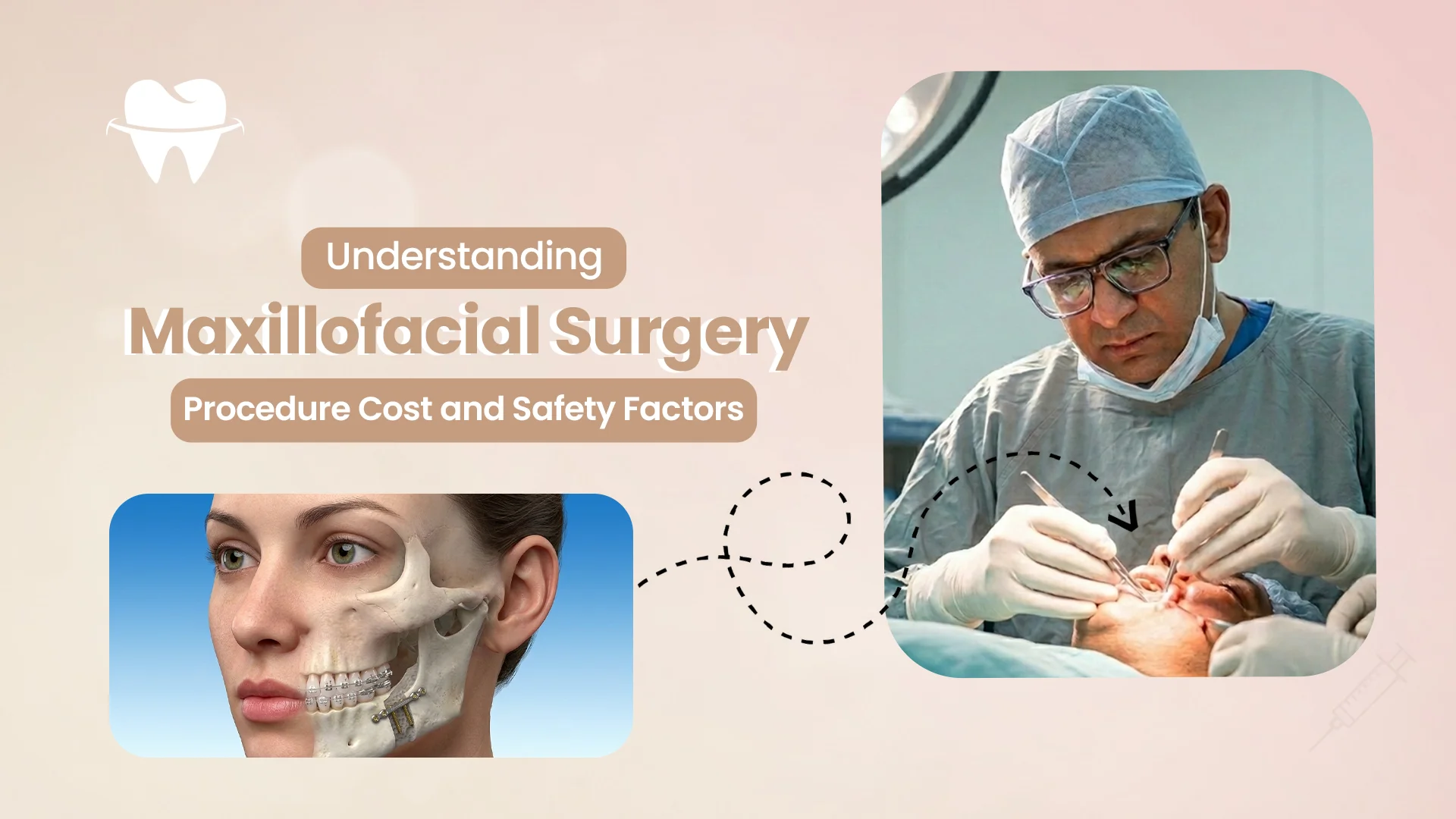
Oral maxillofacial surgery is a specialized type of surgery that focuses on the face, jaw, mouth, and neck. It combines the dental and medical expertise of some of the best dentists in Lahore to treat both functional and cosmetic concerns.
The treatment helps fix problems like:
- Jaw misalignment
- Impacted teeth (like wisdom teeth)
- Facial injuries
- Birth defects such as a cleft lip or palate
Unlike regular dental treatments, oral and maxillofacial surgery often involves more advanced procedures performed in a hospital, surgical center, or the best dental clinic.
Common Types of Maxillofacial Procedures
Understanding the different maxillofacial procedures helps you see why costs and safety vary.
- Wisdom Tooth Removal: One of the most common procedures. It prevents pain, infection, and crowding.
- Jaw Correction Surgery: Used when the upper and lower jaws don’t align properly. It improves both function and facial balance.
- Dental Implants: A long-term solution for missing teeth that look and feel natural.
- Facial Trauma Repair: Helps restore normal structure after accidents or injuries.
- Corrective Facial Surgery: Addresses structural issues that affect breathing, speech, or appearance.
Each procedure uses specific maxillofacial surgery instruments, designed for precision and safety.
Understanding the Cost of Maxillofacial Surgery in Pakistan (2026)
Before diving into the exact figures, it’s important to know that the cost of oral maxillofacial surgery in Pakistan can vary significantly based on the complexity of the procedure, the surgeon’s expertise, and the type of hospital you choose.
| Procedure Type | Average Cost Range (PKR) | What It Typically Includes |
| Wisdom Tooth Surgical Removal | 12,000 – 35,000 per tooth | Local anesthesia, extraction, basic aftercare |
| Dental Implants (per tooth) | 100,000 – 300,000 | Implant placement, scans, crown (basic to premium) |
| Single Jaw Surgery | 300,000 – 600,000 | Surgical correction, anesthesia, short hospital stays |
| Double Jaw Surgery | 500,000 – 1,000,000 | Full jaw alignment, advanced planning, post-op care |
| Complex Jaw Reconstruction | 700,000 – 1,800,000 | High complexity cases, bone grafting, extended care |
| Orthognathic Surgery | 200,000 – 400,000 | Bite correction, jaw repositioning procedures |
| Facial Trauma Surgery | 250,000 – 900,000 | Emergency care, reconstruction, follow-ups |
Disclaimer: These cost estimates reflect updated 2026 trends based on leading private clinics and healthcare platforms in Pakistan. Actual prices may vary depending on city, hospital facilities, surgeon experience, and individual case complexity.
Maxillofacial Surgery Procedure: Step-by-Step
Understanding the complete procedure of maxillofacial surgery lets you understand what you should expect during the treatment. While each case is different, most oral maxillofacial surgery procedures follow a clear and structured process.
Step 1: Consultation and Diagnosis
Everything starts with a detailed dental consultation. The surgeon examines your condition, reviews your medical history, and may recommend X-rays or 3D scans. This step ensures that the treatment plan is tailored specifically to your needs.
Step 2: Treatment Planning
Once the issue is identified, a customized surgical plan is created. For complex cases like jaw correction involving teeth and gums, digital imaging is often used to map out precise movements and expected results.
Step 3: Preparing for Surgery
Before surgery, you’ll receive clear instructions. This may include fasting for several hours, adjusting medications, and completing basic medical tests. The type of anesthesia—local or general—is also finalized during this stage.
Step 4: The Surgical Procedure
During the surgery, the specialist uses advanced maxillofacial surgery dental instruments designed for accuracy and minimal damage to surrounding tissues. Depending on the procedure, the surgery may take anywhere from 30 minutes to several hours.
Step 5: Recovery and Aftercare
The surgeon carefully performs the procedure based on the treatment plan.
This could involve removing impacted and cracked teeth, repositioning the jaw, placing dental implants, or repairing facial structures. The duration can range from under an hour to several hours depending on complexity.
Step 6: Closing and Immediate Care
Once the procedure is complete, the surgical area is closed using sutures if needed. You are then monitored as the anesthesia wears off. In some cases, a short hospital stay may be required.
Step 7: Recovery and Follow-Up Care
Recovery is a crucial part of oral and maxillofacial surgery. You’ll receive instructions on diet, medication, and oral care. Follow-up visits help ensure proper healing and allow the surgeon to monitor progress and address any concerns.
Safety Factors in Maxillofacial Surgery You Should Know
Safety is often the biggest concern—and understandably so. The good news is that oral maxillofacial surgery is considered highly safe when performed under the right conditions.
Here are the key factors that ensure a safe and successful procedure:
1. Qualified and Experienced Surgeon
The most important factor is choosing a trained and certified specialist. An experienced surgeon knows how to handle both routine and complex cases with confidence.
2. Accurate Diagnosis and Planning
Modern imaging techniques allow surgeons to plan procedures with high precision. This reduces guesswork and lowers the risk of complications.
3. Sterile Surgical Environment
Clean and controlled environments significantly reduce the chances of infection. Reputable clinics follow strict hygiene and sterilization protocols.
4. Use of Advanced Instruments
Today’s maxillofacial surgery instruments are designed to be minimally invasive, which means less tissue damage, reduced bleeding, and faster healing.
5. Proper Aftercare Guidance
Safety doesn’t end after surgery. Clear post-operative instructions help prevent infections, manage pain, and ensure smooth recovery.
Risks Involved in Maxillofacial Surgery (And How They’re Managed)
Like any surgical procedure, there are some risks, but they are generally rare and manageable when handled by professionals.
Common Short-Term Effects
- Swelling and mild pain
- Temporary difficulty in eating or speaking
- Minor bleeding
These are normal and usually improve within a few days.
Less Common Risks
- Infection
- Nerve sensitivity or temporary numbness
- Delayed healing
These risks are uncommon and are carefully monitored during follow-up visits.
How Risks Are Reduced
Surgeons take several steps to keep you safe:
- Pre-surgery health evaluation
- Use of precise surgical techniques
- Continuous monitoring during the procedure
- Scheduled follow-ups after surgery
The key takeaway is simple: when performed by a qualified professional, the benefits of oral and maxillofacial surgery far outweigh the risks.
Recovery After Maxillofacial Surgery: What You Can Expect
Recovery is not just the final step; it’s a crucial part of the success of any oral maxillofacial surgery. Knowing what to expect can help you stay prepared, reduce stress, and heal more smoothly.
Immediate Recovery (First Few Days)
Right after the procedure, it’s completely normal to experience mild swelling, discomfort, and limited jaw movement. These are natural responses as your body begins healing. Most patients are advised to stick to a soft diet during this time, as it reduces strain on the surgical area and prevents complications.
You may also notice slight difficulty in speaking or chewing, but this usually improves within a few days with proper care.
Full Recovery Timeline
The healing process depends on the type of procedure performed.
- For minor treatments, such as simple tooth extractions, recovery usually takes around one to two weeks.
- For more complex procedures like jaw correction, full recovery may take several months, as the bones and tissues need time to properly adjust and heal.
It’s important to remember that healing is gradual, and patience plays a key role in achieving the best results.
Tips for Faster and Safer Healing
A smooth recovery largely depends on how well you follow post-surgery care instructions. Simple habits can make a big difference:
- Follow your surgeon’s advice carefully, including medications and dietary guidelines.
- Avoid hard or chewy foods that can disturb the surgical area.
- Maintain proper oral hygiene to prevent infection.
- Attend all follow-up appointments to monitor healing progress.
These steps not only speed up recovery but also reduce the chances of complications.
Recovery may feel slow at times, but it’s an essential phase that ensures the long-term success of your oral and maxillofacial surgery. With proper care and patience, most patients return to normal life with improved comfort and function.
Final Thoughts
Understanding what maxillofacial surgery is helps you make informed and confident decisions. From improving essential functions to enhancing facial balance, modern oral maxillofacial surgery offers lasting benefits when performed correctly.
While costs and recovery may vary, choosing an experienced surgeon and prioritizing safety are what truly matter. Taking the time to research and follow proper aftercare can make a significant difference in your results.
If you’re considering treatment, selecting a trusted clinic is equally important. Clinics like Teeth and Gums, with expertise in oral and maxillofacial surgery, can help ensure safe procedures and reliable outcomes.
Frequently Asked Questions
What is maxillofacial surgery, and when is it needed?
Maxillofacial surgery treats problems in the jaw, face, and mouth. It is needed for impacted teeth, injuries, misaligned jaws, or birth defects affecting function, appearance, or overall oral health and comfort.
How much does oral maxillofacial surgery cost on average?
Costs vary widely depending on the procedure. Simple treatments may cost a few hundred dollars, while complex surgeries like jaw correction can cost tens of thousands of dollars, especially in countries with higher healthcare costs.
Is oral and maxillofacial surgery safe?
Yes, it is generally safe when performed by qualified surgeons. Advanced tools, proper diagnosis, and strict hygiene protocols help minimize risks and ensure successful outcomes for most patients undergoing these procedures.
How long does recovery take after maxillofacial surgery?
Recovery depends on the procedure type. Minor surgeries may take one to two weeks, while major surgeries, such as jaw correction, can take several months for complete healing and full restoration of function.
What factors affect the cost of maxillofacial surgery?
Costs depend on the surgeon’s expertise, procedure complexity, location, hospital type, and technology used. Additional expenses like anesthesia, consultations, and post-surgery care also contribute to the total treatment cost.