Nothing feels good to eat if you can’t chew it properly — with ease and comfort. This uneasiness while chewing or eating anything can be credited to many reasons. And one of them is the different types of mouth blisters.
Speaking of a mouth blister, we have a blood blister, a sudden, painful bubble inside your mouth that can instantly ruin your day. Eating, talking, and even smiling can become uncomfortable. Blood in the mouth often appears without warning, causing confusion and concern.
Blood blisters may look alarming, but in most cases, they are harmless and temporary. Still, understanding why they form, what symptoms to watch for, and how to treat them properly is important for fast relief. This detailed guide explains everything you need to know about blood blisters.
Understanding the Blood Blisters in the Mouth
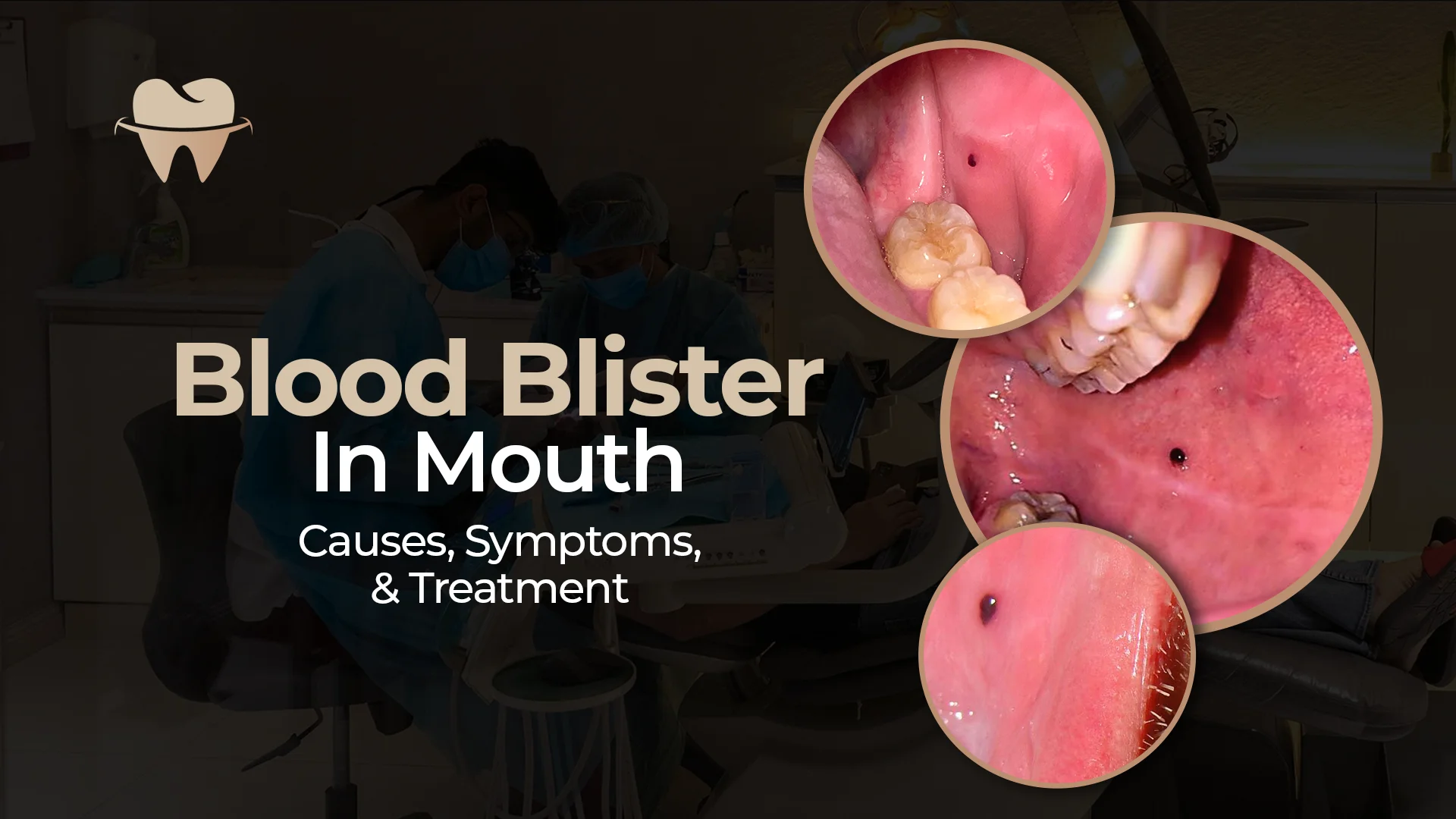
A blood blister in the mouth is a small, soft, fluid-filled bump that contains blood. It usually appears on the inner cheeks, lips, tongue, roof of the mouth, or gums.
How do they form? These blisters form when tiny blood vessels under the skin break due to pressure, injury, or irritation. The trapped blood creates a dark red or purple bubble that may feel tender or sore.
Unlike common mouth ulcers, blood blisters often appear suddenly and may look larger. They usually burst on their own within a day or two, leaving a small sore that heals quickly. Most cases are harmless, but frequent or painful blisters may signal an underlying problem that needs attention.
Common Causes of Blood Blisters in the Mouth
These oral blisters don’t just happen on their own. There are several underlying reasons that eventually lead to these mouth sores. Here we discuss some of the major blood blisters in the mouth causes.
1. Accidental Biting and Injury
You’re eating or talking, and suddenly you bite your cheek, lip, or tongue. That’s quite painful and happens to all. This accidental biting is also one of the most common causes of a blood blister in the mouth. Sharp teeth or dental braces can also irritate soft tissues, leading to blisters.
2. Hot Food and Drinks
In the haste of eating or drinking something you like quickly, a burning sensation may occur. Burning your mouth with very hot food or beverages can also damage the delicate lining of the mouth. This damage may cause blood vessels to break, forming a blister.
3. Dental Treatments
Dental procedures like injections, teeth cleanings, or teeth fillings can sometimes injure soft tissues. This minor trauma may lead to the development of temporary blood blisters.
4. Ill-Fitting Dentures or Braces
There’s a reason why the quality of dental services and the best dentists matter! Poorly fitted dental appliances can rub against the mouth lining, creating pressure and friction that cause blisters.
5. Blood-Thinning Medications
People taking blood thinners may develop blood blisters more easily because their blood vessels break more quickly under pressure.
Less Common Medical Causes
The following are some of the less common medical conditions that can lead to the formation of oral blood blisters.
1. Low Platelet Count
A reduced platelet level can make blood vessels fragile. This increases the risk of bleeding under the skin, including the inside of the mouth.
2. Autoimmune Conditions
Certain immune disorders can affect the mouth lining, making it more sensitive and prone to blister formation.
3. Diabetes and Poor Circulation
Uncontrolled blood sugar levels can weaken tissues and slow healing, increasing the chance of developing mouth blisters.
4. Vitamin Deficiencies
Low levels of vitamin B12, iron, or folic acid can make oral tissues fragile, raising the risk of sores and blisters.
Signs and Symptoms to Watch For
A blood blister in the mouth usually appears as a small red or purple bubble on the inner cheek, tongue, or gums. It often feels soft and may cause mild tenderness or discomfort, especially while eating or speaking.
Common signs and symptoms include:
- A red or dark purple, fluid-filled blister
- Mild pain, tenderness, or sensitivity
- Slight swelling around the affected area
- Discomfort during chewing or talking
In many cases, the blister breaks on its own within 24 to 48 hours. When this happens, it releases blood and leaves a shallow sore that may sting briefly but typically heals within a few days.
Seek medical advice if:
- Blisters occur frequently or without a clear cause.
- The sore does not heal within a week.
- Symptoms are accompanied by fever, fatigue, or unexplained bleeding elsewhere.
Simple Home Remedies for Blood Blisters
Most blood blisters in the mouth heal on their own. However, the following home remedies can help ease discomfort, reduce irritation, and speed up the healing process.
- Cold Compress: Applying a cold compress to the outside of the mouth helps reduce swelling, numb pain, and slow minor bleeding.
- Saltwater Rinse: Gently rinsing with warm saltwater keeps the area clean, lowers the risk of infection, and supports natural healing.
- Soft Diet: Eating soft foods such as yogurt, mashed potatoes, or soups prevents further irritation. Avoid spicy, hot, acidic, or crunchy foods until healing is complete.
- Oral Gels: Over-the-counter oral gels or numbing ointments can help relieve pain and form a protective barrier over the blister.
- Avoid Popping: Never try to burst the blister yourself. Doing so can increase the risk of infection and delay healing.
- Maintain Oral Hygiene: Brush gently around the affected area using the best toothpastes and avoid harsh mouthwashes that may cause irritation.
- Stay Hydrated: Drinking enough water helps keep the mouth moist and supports faster tissue recovery.
Medical Treatment Options
In most cases, blood blisters in the mouth heal naturally and do not require medical treatment. However, if a blister is large, painful, long-lasting, or keeps coming back, professional care may be necessary.
- Professional Evaluation: A dentist, dental practitioner, or doctor will examine the blister to rule out infection, trauma, or underlying medical conditions.
- Medicated Mouth Rinses: Prescription mouth rinses may be recommended to reduce pain, control inflammation, and prevent infection during healing.
- Treatment of Underlying Causes: If blood blisters are linked to medications, vitamin deficiencies, or systemic illness, treating the root cause helps prevent recurrence.
- Diagnostic Tests: Blood tests may be advised to check vitamin levels, platelet count, or overall blood health when blisters appear frequently.
- Pain Management: In more severe cases, topical medications or pain relievers (such as some toothache tablets) may be prescribed to ease discomfort.
How Long Do Blood Blisters Take to Heal?
Most blood blisters heal within three to seven days. Small blisters may disappear even sooner. The healing time depends on different factors, such as:
- Size
- Cause
- Personal health
Maintaining good oral hygiene and avoiding irritation speeds up recovery.
If healing takes longer than ten days or the blister worsens, medical advice is necessary to rule out infection or underlying issues.
Some Last Words
Blood blisters in the mouth may seem worrying, but they are usually harmless and heal on their own. With proper care, gentle eating habits, and good oral hygiene, most blisters disappear quickly without complications.
Understanding their causes helps you avoid repeated problems and manage discomfort better. Small daily habits, such as eating carefully and maintaining dental health, can make a big difference. Paying attention to early signs also ensures faster healing and long-term mouth comfort.
Frequently Asked Questions
What deficiency causes blood blisters in the mouth?
Vitamin B12 is essential for the production of red blood cells and has a significant part to play in nerve function. One of the oral manifestations of this deficiency is the development of mouth ulcers.
Are blood blisters in the mouth harmful?
No, generally, these blisters are not harmful. The oral blood blisters are benign, meaning they are not cancerous or harmful to your health.
How long does a blood blister take to heal?
Most blood blisters heal within three to seven days, depending on size, cause, and overall oral hygiene and health.